


Key Takeaways
- Always inspect ladders before use to identify any defects.
- Maintain three points of contact when climbing.
- Choose the right ladder type for the task and environment.
- Set up ladders on stable, level surfaces.
- Avoid using metal ladders near electrical hazards.
Table of Contents
- Inspecting Ladders Before Use
- Proper Climbing Techniques
- Selecting the Right Ladder
- Setting Up Ladders Safely
- Avoiding Electrical Hazards
- Training and Education
- Regular Maintenance and Storage
- Conclusion
Portable ladders are standard tools that play a vital role in industries, warehouses, and household projects. Their versatility and convenience make them indispensable, but improper use frequently leads to preventable accidents. Practicing safe work habits not only protects users from injury but also preserves the integrity of valuable equipment. Whether you are working on a construction site, in a warehouse, or handling a simple home repair, mastering proper ladder safety is essential. For those who routinely work in busy environments, high-quality Warehouse Ladders can streamline tasks and support a safe, efficient workplace.
Misuse of portable ladders accounts for a significant share of workplace injuries, according to the U.S. Bureau of Labor Statistics. Many of these incidents are not caused by failures in the ladders themselves, but rather by slips, improper setup, or using the wrong ladder for the task. A focus on training, regular inspections, and choosing the right equipment can significantly reduce such risks. Understanding best practices for safe ladder use is critical not only for compliance but also for employee well-being and the continuity of business operations.
Every year, thousands of workers are involved in ladder-related accidents that result in serious injuries or fatalities. Most of these can be prevented with thorough training, good judgment, and regular equipment maintenance. No matter how experienced you are, always double-check your ladder before each use and establish clear safety protocols. Safety starts with awareness and ends with careful application of proven practices.
Employers should also provide access to reliable educational resources, such as OSHA’s comprehensive ladder safety guidelines, available on the official OSHA Ladder Safety page. These resources offer up-to-date information, training tools, and regulatory requirements to ensure that all workers remain informed and protected.
Inspecting Ladders Before Use
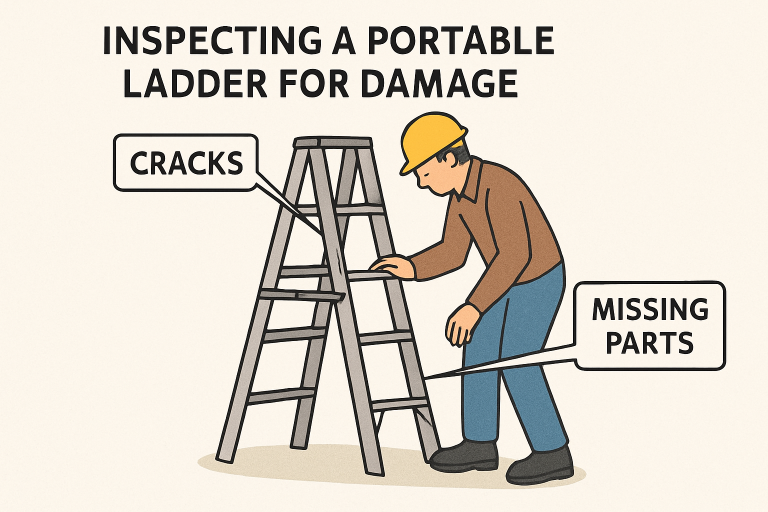
Starting your work with a thorough inspection is the most effective way to reduce accident risks. Examine every part of the ladder, including the rungs, side rails, hinges, and feet. Look out for any cracks, bends, corrosion, or missing parts. If you notice damage, label the ladder as out of service immediately and seek a replacement. Even a seemingly minor flaw can compromise the structural integrity and lead to catastrophic failure in use.
Regular inspections not only prevent accidents but also prolong ladder longevity. Documenting inspection dates and findings is a good practice, particularly in larger workplaces where many employees may use the same equipment. In addition to routine pre-use inspections, conduct more detailed periodic assessments in accordance with manufacturer recommendations and applicable safety standards.
Proper Climbing Techniques
Climbing a ladder safely is about more than just ascending and descending with care. Always face the ladder to maintain control, and observe the three points of contact rule: two hands and one foot, or two feet and one hand, must be on the ladder at all times. Avoid sudden movements and climbing too high; standing on the top rung or cap can lead to serious falls.
Carrying heavy or awkward items while climbing is a common hazard. Instead, use tool belts or hoist materials once you have reached a stable position. Making sure your footwear is slip-resistant and your hands are free of grease or oil are other practical steps to prevent slips and loss of balance. These guidelines are supported by leading safety organizations such as the North Dakota Safety Council, which provides in-depth advice for ladder users across many industries.
Selecting the Right Ladder
Choosing an appropriate ladder for the job is a fundamental safety practice. Several factors influence your selection: the ladder’s height, its weight limit, material, and the working environment. As a rule, do not attempt to work from a ladder that is too short or too long for the intended task. Overreaching or standing on the top rungs to gain extra height increases the likelihood of an accident.
Material selection can be a lifesaver, especially in industrial settings. For tasks near electrical equipment or power lines, a non-conductive fiberglass ladder is the safest option. Aluminum ladders, while durable and lightweight, should never be used near electricity. For more information on preventing electrocutions associated with metal ladders, refer to the CDC’s NIOSH guidelines for portable metal ladders.
Setting Up Ladders Safely
A correctly set ladder is essential to prevent tipping and instability. Always place ladders on even, solid ground. If a surface is slippery or uneven, do not use the ladder until conditions improve or an appropriate accessory is used to provide stability. For extension ladders, practice the 4:1 rule: position the base one foot away from the supporting wall for every four feet of ladder vertical length. This setup keeps the ladder at a safe angle for climbing.
Secure the ladder at the top or bottom whenever possible to prevent unexpected movement. Block off the work area if necessary to protect coworkers from entering the ladder’s swing or fall zone. These extra precautions are particularly important in high-traffic environments like warehouses and job sites.
Avoiding Electrical Hazards
Electrical hazards are among the most severe risks facing ladder users. Never use metal ladders near energized electrical wires or power sources, as metal conducts electricity and can cause fatal shocks. Always investigate your workspace for overhead lines before setting up a ladder outdoors. Be vigilant about changes in your surroundings as temporary wiring or cords may be present during construction or renovation. For additional guidance on workplace electrical safety, review the NFPA’s electrical safety resources.
Training and Education
Education is a crucial element of any ladder safety initiative. Employers must provide regular training that covers inspection, correct ladder selection, proper climbing methods, and awareness of environmental risks. Training should be interactive and include face-to-face demonstrations, as well as up-to-date instructional materials tailored to site-specific hazards.
Frequent safety meetings and open discussions about ladder incidents or close calls help reinforce positive behaviors and foster a culture of safety. Making training accessible to all workers, including those with language barriers or low literacy, is essential to maintaining compliance and protecting every employee.
Regular Maintenance and Storage
Proper maintenance extends your ladder’s life and keeps it ready for use at all times. Clean ladders regularly to remove mud, grease, and other debris that can cause slips. Store all equipment in a designated, dry, secure area that is protected from environmental elements and unauthorized use. Never leave ladders outdoors or exposed to harsh weather for extended periods, as this can lead to rust, weakening, or warping.
Develop routines for inspecting ladders after use and performing scheduled maintenance in accordance with manufacturer recommendations. Prompt repair or replacement of worn parts helps avoid hazardous situations and promotes a safe workplace culture.
Conclusion
Following safe work practices for portable ladders is non-negotiable for preventing injuries and maintaining an efficient work environment. Regular inspections, proper climbing techniques, careful selection and setup, ongoing training, and prompt maintenance should all be top priorities. Prioritizing safety not only prevents accidents but also creates a more productive and resilient workforce ready to tackle any task at height.
