

Key Takeaways
- Short-term loans provide immediate access to cash but often come with high fees and risks.
- Borrowers benefit from quick relief, yet can face debt traps if they’re not cautious.
- New regulations and credit scoring changes will impact how these loans influence long-term financial health.
- Alternatives such as emergency savings, credit counseling, and community programs can offer more sustainable solutions.
Table of Contents
- Understanding Short-Term Loans
- Immediate Benefits of Short-Term Loans
- Potential Risks and Drawbacks
- Impact on Credit Scores
- Borrower Perceptions and Experiences
- Regulatory Landscape and Consumer Protections
- Alternatives to Short-Term Loans
- Conclusion
Understanding Short-Term Loans
Short-term loans are designed to help individuals manage urgent financial needs by providing quick access to smaller amounts of cash, which are generally repaid within weeks or a few months. Common varieties include payday loans, cash advances, and rapid-approval personal loans. These types of credit are designed for consumers who face unexpected bills, gaps between income periods, or temporary cash shortages. Users searching for reliable assistance might consider options like MaxLend loans for immediate support during financial emergencies.
These loans are typically unsecured, meaning borrowers don’t need to offer collateral, and the application process is often much quicker than traditional bank loans. For those in a bind, the convenience can be a crucial advantage, but it usually comes at a price in the form of higher interest rates and fees.
Immediate Benefits of Short-Term Loans
Short-term loans are often valued for their speed of availability and ease of access. Many people use them to address urgent financial needs, such as paying rent, repairing a vehicle, or covering unexpected medical costs. Research from RadCred indicates that 63% of borrowers rely on these loans during emergencies to avoid late fees, service interruptions, or adverse credit impacts. For convenience, many lenders now allow individuals to apply online, streamlining the process during time-sensitive circumstances.
For borrowers without substantial savings or access to traditional credit, these rapid lending solutions can be a lifeline, allowing for breathing room in otherwise stressful situations.
Potential Risks and Drawbacks
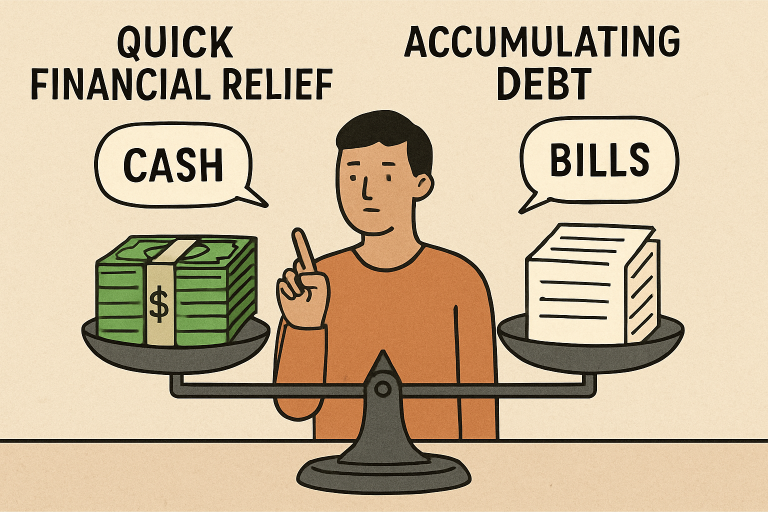
While short-term loans offer swift relief, their high costs can trigger long-lasting financial harm. The interest rates on payday loans, for example, often reach astronomical levels. As reported by Again Loans and referenced on CNBC, APRs commonly exceed 400%. When borrowers are unable to repay quickly, fees and accumulated interest can spiral into unmanageable debt, leading to renewed borrowing and a complex cycle that is difficult to break.
Over time, frequent use of these loans can erode a borrower’s financial stability, depleting funds meant for essentials and savings, and sometimes even leading to legal repercussions if unpaid debt is sold to collectors.
Impact on Credit Scores
A significant shift is underway regarding the impact of short-term loans on credit scores. Traditionally, payday and most short-term installment loans haven’t been reported to credit bureaus, thus not directly affecting scores. However, by fall 2025, new FICO scoring models will factor in certain products such as Buy Now, Pay Later (BNPL) services. This change has the potential to improve transparency for lenders, but it also increases the risk for consumers who may see their credit adversely affected by missed payments. For more background, The New York Times provides a comprehensive overview of how these changes could alter lending practices.
While this may help responsible borrowers demonstrate positive repayment behavior, those struggling to manage their short-term debt may see their scores deteriorate, making future borrowing more difficult and expensive.
Borrower Perceptions and Experiences
Experiences with short-term loans vary widely. Many individuals are grateful for the immediate financial cushion these products provide in a crisis. Yet, there is pervasive anxiety about falling into repeat-borrowing patterns—also known as debt traps. RadCred’s survey highlighted that 41% of respondents expressed fears about recurring debt, recognizing both the utility and potential danger of routine reliance on these loans.
These borrower stories underscore the importance of education and transparency in the lending process, ensuring that consumers fully understand the costs and consequences before making a commitment.
Regulatory Landscape and Consumer Protections
Regulatory oversight of short-term loans is evolving. In 2025, a significant policy decision excluded Buy Now, Pay Later services from consumer protection rules under the Truth in Lending Act, sparking debate among consumer advocacy groups. Without such protections, borrowers may face steeper risks—particularly as economic and inflationary pressures increase the likelihood of default.
This deregulatory stance has prompted calls for more robust consumer education, safeguards against predatory lending, and renewed attention to affordability and transparency in loan agreements.
Alternatives to Short-Term Loans
Emergency Savings
The most effective way to decrease reliance on short-term debt is by building an emergency savings fund, even if only in small amounts at first. Little by little, contributions can offer significant relief when unforeseen expenses arise.
Credit Counseling Services
Nonprofit agencies and organizations provide professional guidance to help individuals manage debt and develop a sustainable financial plan. Credit counseling can also mediate with creditors, often arranging lower payments or interest rates.
Community Assistance Programs
Many local organizations and government programs offer grants, food assistance, and utility help for those facing temporary hardship. These resources can provide crucial support without the financial strings attached to short-term loans.
Conclusion
Short-term loans play a complicated role in consumers’ financial well-being. While they provide fast solutions for urgent financial needs, they can also entangle borrowers in cycles of high-interest debt and long-term instability. By understanding the whole landscape—including changes to credit reporting, evolving regulations, and available alternatives—individuals can make informed choices tailored to their financial health. It’s increasingly important to weigh not just the short-term relief, but also the long-term costs, and to seek out responsible, sustainable financial strategies wherever possible.
