


Key Takeaways
- Recognize the most common water heater problems, including inadequate hot water, leaks, and unusual noises.
- Follow practical troubleshooting steps to address these issues and understand the causes.
- Distinguish between simple DIY repairs and situations that require a professional plumber.
Table of Contents
- Insufficient Hot Water
- No Hot Water
- Water Temperature Fluctuations
- Leaking Water Heater
- Unusual Noises
- Discolored or Smelly Water
- Preventive Maintenance
- When to Call a Professional
Water heaters are essential appliances in every household, but when they malfunction, daily routines can be significantly disrupted. Fortunately, many common water heater problems are easy to diagnose and repair if you know what to look for. Whether you’re dealing with insufficient heating, leaks, or strange noises, understanding the basics of troubleshooting can save time and money. If you’re facing persistent issues and need fast, local help with water heater repair in Hallettsville, TX, knowing what to expect can make the process much smoother.
This comprehensive guide walks you through the most frequent water heater troubles, their causes, and the steps you can take to fix them yourself or recognize when it’s time to call a professional. By following these tips, you can restore comfort to your home with minimal hassle.
Regular maintenance and prompt repairs not only ensure a reliable hot water supply but also help extend the lifespan of your appliance. Proactive care and early troubleshooting can help you avoid expensive emergency repairs or premature replacement.
Before starting any repairs, always prioritize safety by turning off the power supply to electric heaters or shutting off the gas supply to gas-operated units. If you’re ever in doubt about your abilities or encounter serious problems, contacting a licensed technician is the safest approach.
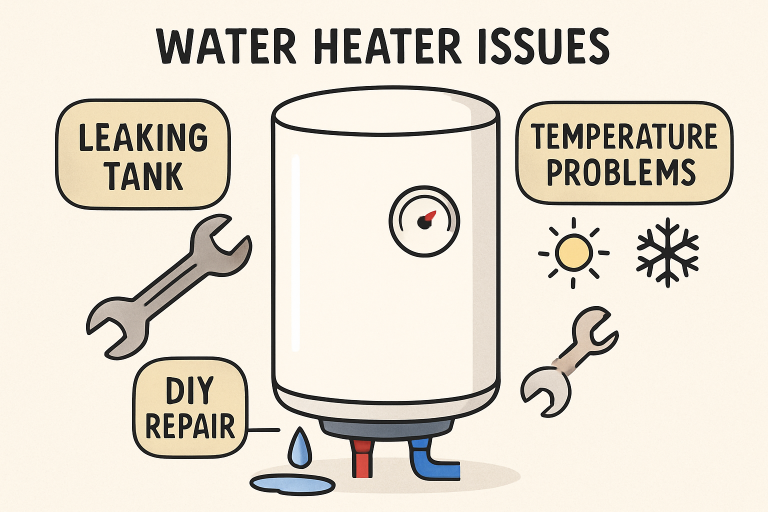
Insufficient Hot Water
Many homeowners experience the frustration of running out of hot water too quickly. Common reasons for insufficient hot water include improperly set thermostats, sediment buildup, or faulty heating elements. Make sure the thermostat is set between 120°F and 140°F — any setting below or above this range can reduce efficiency or pose safety risks.
Mineral sediment in your water gradually accumulates at the bottom of the tank, which can insulate the water from the heating element and reduce overall capacity. Flushing the tank annually removes sediment and restores performance. In electric water heaters, a failing heating element is a frequent cause of inadequate hot water. Test the elements for continuity and replace them if needed.
These checks are usually straightforward and require minimal tools. However, if you consistently notice performance drops after maintenance, your heater may be sized too small for your household’s needs, or age and wear may be taking their toll.
No Hot Water
Suddenly losing all hot water is a significant inconvenience. For gas-powered heaters, start by checking the pilot light. If it’s out, most models have troubleshooting instructions on a panel or inside the access cover. Problems with thermocouples or gas valves may also prevent ignition; if relighting fails, these components may need to be replaced. The Department of Energy provides a helpful guide on water heating, including tips for troubleshooting and maintaining your system. For electric heaters, a tripped circuit breaker or blown fuse might be at fault. Check your main electrical panel and reset the breaker if necessary. If your heater still doesn’t work, the thermostat or heating element could be defective and require replacement.
Water Temperature Fluctuations
Frequent changes in water temperature can make showers unpredictable and uncomfortable. Malfunctioning thermostats are a common cause, and simple replacement is often all that’s needed. Sediment buildup can also result in “hot spots” that lead to uneven heating—flush your tank to resolve this problem.
Another overlooked culprit is a damaged dip tube, which is meant to direct cold water to the bottom of the tank. When broken, cold water can mix directly with hot water at the top, causing temperature inconsistencies. Replacing the dip tube is relatively affordable and can quickly resolve the issue.
Leaking Water Heater
Even a small leak from a water heater can cause significant water damage if left unchecked. Loose pipe connections commonly cause leaks; check and tighten inlet or outlet fittings first. If the leak persists, inspect the pressure relief valve—a common failure point that may need to be replaced.
More serious leaks can occur when the internal tank corrodes. If you spot rust or see water coming from the tank itself (not a fitting), replacement is often the only solution. Running a water heater with a corroded tank is risky and may lead to sudden flooding.
Unusual Noises
Strange sounds such as rumbling, popping, or banging during operation are strong indicators of sediment buildup. As mineral deposits heat and explode from the surface of the heating element, they create noise and cause the element to work harder, potentially shortening its life. Flushing the tank yearly can stop these noises. If they persist, have a professional inspect the heating element and overall system for damage.
Discolored or Smelly Water
Rust-colored water often points to a corroded anode rod. This rod is designed to attract corrosive minerals that would otherwise attack the steel tank—replacing it will protect your heater and maintain high water quality. Bad smells, particularly a “rotten egg” odor, usually result from bacterial growth in the tank. Flushing the water heater and adding a diluted hydrogen peroxide solution will resolve minor issues, but persistent problems may require professional disinfecting or tank replacement.
Preventive Maintenance
Routine maintenance helps extend the life of your water heater and prevents unexpected breakdowns. Make it a habit to drain and flush your tank at least once every year to remove sediment before it becomes problematic. Every 1–3 years, check the anode rod and replace it if it’s heavily corroded. Maintaining thermostat settings between 120°F and 140°F improves efficiency and reduces energy use while preventing scalds and excessive wear.
When to Call a Professional
While many water heater repairs are suitable for those with basic DIY skills, some issues require immediate attention from a licensed professional. Persistent leaks—especially those coming from the tank—should be inspected by a plumber. Electrical wiring issues, such as repeated breaker trips or visible damage, are safety hazards best left to certified electricians. If you ever smell gas or suspect a gas leak, leave the area and contact your utility provider or a professional right away.
Recognizing and fixing water heater problems early can help keep this essential appliance working efficiently for years to come. With a solid understanding of basic troubleshooting and regular maintenance, most homeowners can prevent major breakdowns, ensuring reliable hot water and peace of mind.
