


Artificial intelligence (AI) is revolutionizing the business world, transforming how companies operate and compete in a digital era. AI’s influence stretches across a myriad of operations, from streamlining workflows to enhancing customer interactions. By leveraging advanced technologies, businesses are not only improving their efficiency but also pioneering innovative services and products. The integration of AI into business processes is a game-changer for organizations looking to maximize their potential in the current marketplace. Keep reading to delve into the multifaceted roles AI plays in modern business optimization.
The Role of AI in Streamlining Operational Efficiency

The integration of AI into operations has significantly boosted efficiency by automating routine tasks, allowing employees to focus on complex work. AI optimizes supply chain logistics, manages inventory, and rapidly analyzes data to uncover inefficiencies, enabling smarter decisions that improve workflows and performance. Predictive maintenance powered by AI also reduces downtime by forecasting equipment failures, cutting costs, and ensuring smoother operations.
Effective AI management is crucial to align these technologies with business goals, and tools like BA Insight provide the necessary oversight to keep AI initiatives on track and efficient. As AI continues to evolve, structured governance through AI management ensures organizations maximize value while maintaining control over their AI-driven processes.
Enhancing Customer Experience Through AI Integration
Artificial intelligence is reshaping the customer experience by enabling faster, more accurate support through chatbots and virtual assistants. This instant responsiveness boosts satisfaction and builds loyalty. AI also personalizes interactions by analyzing customer behavior to deliver tailored recommendations and offers, making clients feel seen and valued.
On social media, AI monitors feedback and emerging trends, allowing brands to respond quickly to concerns and leverage positive sentiment. In product development, AI uses customer data to guide design choices, ensuring offerings align with user preferences. This data-driven approach results in more relevant products and experiences, reinforcing the connection between consumers and brands while increasing the likelihood of market success.
Machine Learning for Predictive Analytics and Data-Driven Decisions
Machine learning, a key part of AI, drives predictive analytics by uncovering patterns in large datasets to support smarter business decisions. It strengthens both short-term actions and long-term strategies across industries. In finance, it enhances risk assessment and fraud detection, boosting client trust. In healthcare, machine learning analyzes patient data to forecast disease outbreaks and develop personalized treatments based on genetic profiles.
In marketing, it anticipates consumer behavior, allowing businesses to craft targeted campaigns that deliver the right message at the right time. These insights help organizations stay agile and competitive in fast-changing environments by turning raw data into actionable intelligence that directly impacts performance and planning.
AI-Powered Automation for Cost Reduction and Revenue Growth
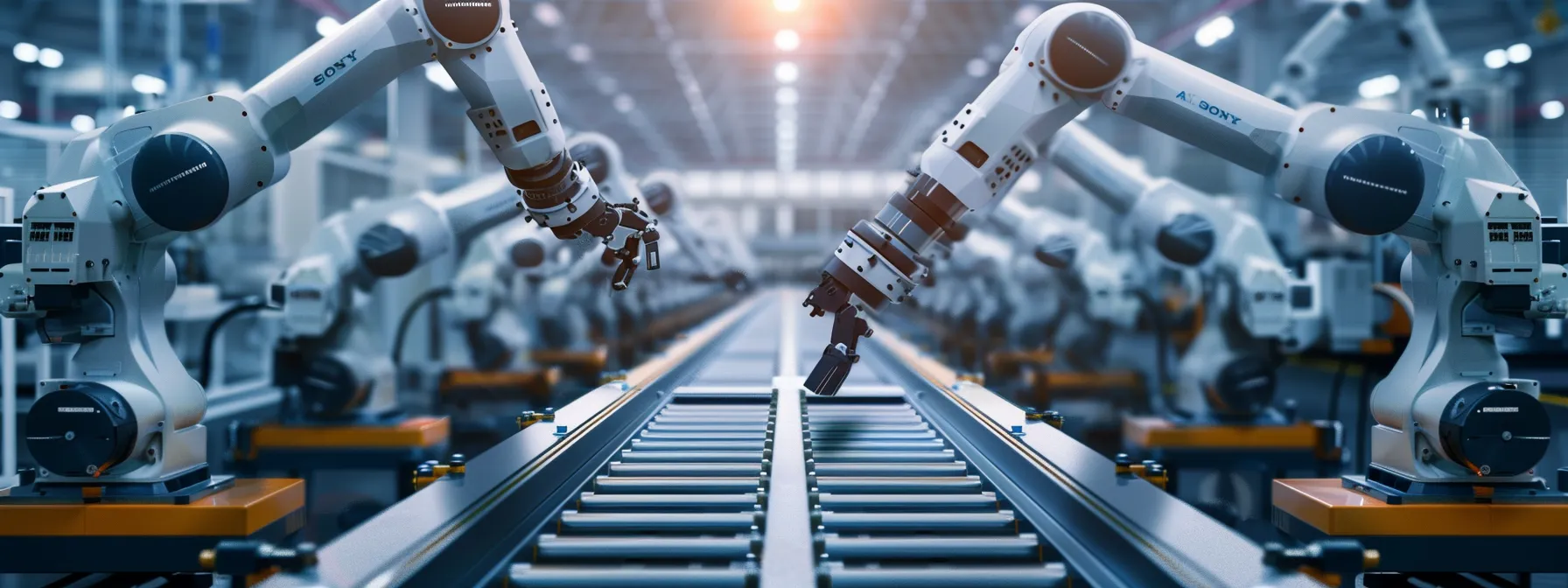
AI-powered automation slashes costs by handling repetitive tasks, saving time, and reducing labor expenses. These efficiencies free up resources for innovation and strategic growth. At the same time, automation drives revenue by boosting output, speeding up service delivery, and uncovering new market opportunities through smart algorithms.
In manufacturing, AI ensures precision, speed, and consistency, minimizing errors and giving companies a sharp competitive edge. Robotic process automation (RPA) is rapidly gaining traction across industries, especially in streamlining back-office functions like data entry and document handling. By offloading routine work, RPA enables employees to focus on high-impact tasks, significantly enhancing productivity and business agility.
Navigating the Challenges and Ethics of AI Implementation in Business Processes
Integrating AI into business processes offers clear benefits but introduces critical challenges. Data privacy and security are top concerns, especially as AI systems handle sensitive information under strict regulatory scrutiny. Automation also raises ethical issues around job displacement, urging businesses to prioritize employee reskilling.
The demand for transparent and fair AI algorithms is rising, with explainable AI becoming essential to prevent biased or discriminatory outcomes. Effective AI deployment requires input from diverse fields—technical, legal, ethical, and societal—to ensure responsible use. Without such collaboration, businesses risk overlooking key implications that affect trust, fairness, and the broader impact of AI on people and organizations.
Overall, the potential for AI to optimize business processes is immense, offering opportunities for operational efficiency, enhanced customer experiences, predictive analytics for strategic decision-making, and increased profitability through automation. As long as businesses navigate the challenges responsibly, they stand to gain a significant competitive advantage in an increasingly data-driven world.
