


Key Takeaways
- Homeownership remains a cornerstone of building lasting wealth and financial security.
- Building equity, tax advantages, and stable housing costs are core benefits of owning a home.
- Understanding challenges and adopting sustainable strategies are crucial for achieving long-term success in homeownership.
Introduction
Owning a home is more than just a personal milestone; it is often one of the most impactful financial decisions an individual can make. For many, the journey toward homeownership is closely tied to the pursuit of economic security. By working with Estes Park real estate experts at Estes Park Team Realty, buyers can confidently navigate the complexities of the housing market and secure a home that supports long-term stability.
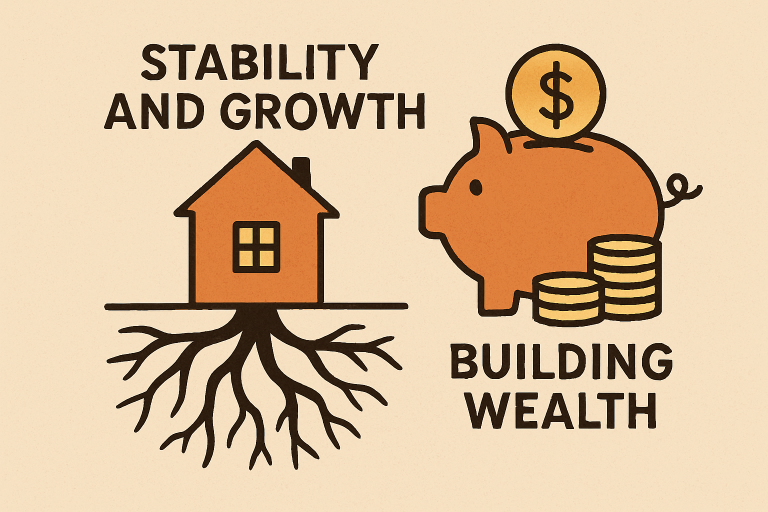
Homeownership provides not only a sense of belonging and stability but also represents a major pathway to growing one’s net worth over time. With the potential for property value appreciation and the ability to convert housing payments into equity, buying a home stands apart from renting in its capacity to build lasting wealth.
A home can serve as both a shelter and an investment—fundamental to the American Dream. Through careful planning and responsible financial management, homeownership can help individuals safeguard their economic futures and provide a legacy for future generations.
Navigating the challenges and opportunities associated with homeownership is crucial for maximizing the benefits it offers. Knowing how to leverage homeownership advantages, while protecting against risks, is key to ensuring that buying a home is a move toward lasting financial prosperity.
One of the most significant financial rewards of homeownership is the accumulation of equity. Home equity grows steadily as homeowners make regular mortgage payments and as their property value increases. This equity can later be accessed to finance important life goals or safeguard against financial hardship. According to Forbes, building equity provides financial flexibility and stability that renting simply cannot match.
Homeownership as a Hedge Against Inflation
Homeownership can be an effective defense against rising costs associated with inflation. While rent prices tend to increase in tandem with broader economic factors, homeowners with a fixed-rate mortgage benefit from predictable and stable monthly payments. This financial stability enables better planning and budgeting, protecting homeowners from unexpected housing cost spikes that often occur in rental situations.
Historically, real estate has also appreciated over time, frequently rising at or above the pace of inflation. As a result, homeowners are often able to preserve and even grow their wealth as the real value of their property increases, making homeownership an attractive long-term financial strategy.
Leveraging Home Equity for Financial Flexibility
The ability to borrow against home equity provides homeowners with a unique advantage in managing their financial needs or seizing new opportunities. Home equity loans and home equity lines of credit (HELOCs) can be used to cover major expenses, such as home renovations, education, or emergency medical bills.
However, it is important to approach these financing options with caution. As highlighted by CNBC, misuse or overextension of home equity loans can put the home at risk. Responsible borrowing and careful consideration of repayment terms are essential to maintaining financial security.
Tax Advantages of Homeownership
U.S. tax law offers several benefits to homeowners, including potential deductions for mortgage interest and property taxes. These deductions can significantly reduce the annual tax burden and make owning a home more cost-effective than renting in the long run.
The tax code is complex, and the specifics can vary widely, so it’s always wise for homeowners to consult with a tax professional. Personalized advice ensures that each homeowner maximizes available deductions according to their financial situation, ultimately enhancing the economic upside of owning a home.
Challenges to Consider
Despite the advantages, homeownership comes with its own set of financial challenges. Property taxes, homeowners’ insurance, and ongoing maintenance costs can place significant pressure on a household budget. Additionally, unexpected repairs—such as a roof replacement or HVAC system failure—can introduce financial stress.
According to recent data shared by CNBC, as many as three in five homeowners sometimes feel house poor, highlighting the importance of careful financial planning and realistic budgeting before purchasing a home.
Strategies for Sustainable Homeownership
Budgeting Wisely
Before purchasing a home, it is essential to conduct a comprehensive assessment of your income, debts, and future expenses. Buyers should aim to secure a mortgage that allows for comfortable monthly payments while still leaving room for savings.
Establishing an Emergency Fund
A robust emergency savings fund can help homeowners weather unexpected repairs or periods of income instability, reducing the risk of financial setbacks that could threaten homeownership.
Prioritizing Maintenance
Proactive maintenance ensures small issues do not escalate into major—and costly—repairs. Routine upkeep can extend the life of critical home systems and protect the property’s market value.
Insurance and Protection
Regularly reviewing and updating homeowners’ insurance guarantees that protection levels match the property’s evolving value and the homeowner’s needs. Adequate coverage is a critical safeguard against unforeseen losses.
Final Thoughts
When approached strategically, homeownership can drive remarkable financial growth and security. With benefits such as equity building, tax advantages, and stable housing costs, buying a home is an essential step toward achieving economic stability. By understanding the challenges and implementing thoughtful financial strategies, homeowners can enjoy lasting stability and peace of mind in their real estate investment.
