


Key Takeaways
- Digital tools enable precise audience targeting and real-time performance tracking.
- Artificial Intelligence (AI) and Augmented Reality (AR) are revolutionizing customer engagement.
- Data-driven decision-making enhances marketing efficiency and effectiveness.
- Personalization and multi-channel strategies are essential for modern marketing success.
Marketing has entered a new era, driven by the incredible pace of digital transformation. Businesses are now empowered to reach their audiences with greater precision than ever before, using data, artificial intelligence, and immersive technologies to reimagine how brands connect with people. Companies like Hyve Marketing use these tools to craft campaigns that not only capture attention but also build lasting relationships with customers. Every strategy, from the simplest social post to the most interactive ad, is supercharged by digital innovation, making marketing more impactful and measurable.
With customer expectations at an all-time high, brands must stand out in a saturated market by embracing solutions that deliver real-time insights and highly tailored experiences. The rise of new digital platforms, paired with artificial intelligence, has revolutionized everything from targeting to content creation. Not only do these advancements enable marketers to adapt quickly, but they also allow for a much deeper understanding of what motivates consumer decisions.
Audience Targeting and Real-Time Tracking
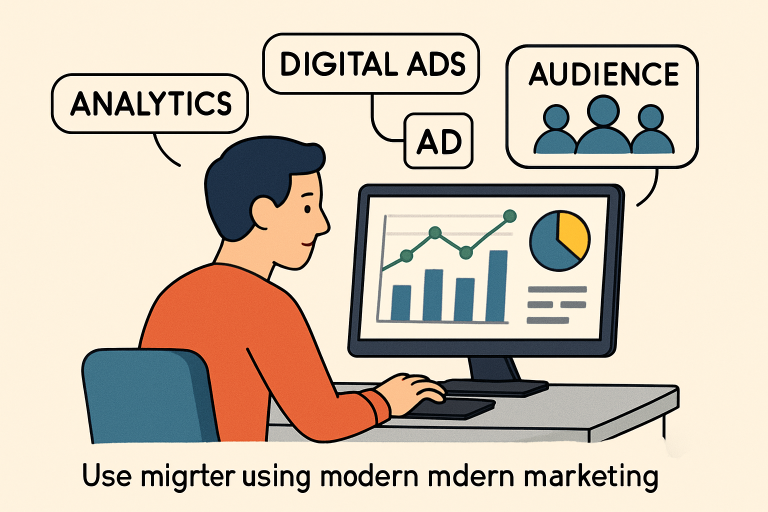
One of the most significant benefits of digital tools in marketing is the ability to eliminate waste and maximize efficiency. Modern platforms empower brands to move away from generic mass campaigns and instead hone in on the precise interests and behaviors of their ideal audiences. Advanced analytics platforms allow marketers to drill down into user demographics, web activity, and purchase behavior, ensuring every dollar is spent on the most receptive audience segment.
Real-time performance tracking further amplifies marketing effectiveness. Marketers no longer need to wait for post-campaign reports to understand what is working; instead, dashboards update instantly as campaigns run, enabling them to refine targeting, messaging, and creative elements on the fly. This agile approach not only improves ROI but also helps brands stay responsive in rapidly shifting markets.
Artificial Intelligence in Marketing
Artificial intelligence is rapidly changing how marketers plan and execute campaigns. AI-powered tools offer predictive insights, automating key elements such as budget allocation, content testing, and audience segmentation. This technology can analyze large datasets quickly to identify which creative elements, ad placements, and channels are most likely to perform well.
AI-driven personalization is a standout advancement. By understanding individual user behavior, intent, and preferences, AI systems can recommend products, send targeted messages, and even predict future buying patterns. This level of customization was once impossible at scale, but is now a standard feature of competitive digital marketing strategies. The use of AI not only boosts engagement but also enhances the customer’s experience by delivering relevant content at exactly the right moment.
Augmented Reality Enhancing Customer Experience
Augmented reality adds a new dimension to digital marketing by merging virtual content with the real world. Global successes like Pokémon GO demonstrated the power of AR to engage and excite consumers through playful, location-based experiences. With high adoption rates of AR-capable smartphones, marketers can harness this technology to create interactive campaigns that let shoppers visualize products in their own environment or participate in branded games and events.
For businesses, AR transforms customer acquisition and retention by making brand interactions memorable and fun. This deeper engagement not only drives immediate conversions but also generates buzz and social shares, further amplifying reach. As AR technology continues to evolve, expect to see more innovative marketing campaigns leveraging its power to captivate audiences.
Data-Driven Decision Making
Effective marketing now depends on harnessing data at every stage of the customer journey. Digital marketers collect and analyze information from website visits, social engagement, conversions, and more, turning these touchpoints into actionable insights. Transparent metrics inform everything from creative decisions to budget distribution, giving businesses the confidence to scale what works and drop what doesn’t.
This evidence-based philosophy not only eliminates guesswork but also encourages continuous optimization and experimentation. Marketers now measure not just success but also the journey toward it, enabling smarter investments and more predictable growth outcomes.
Personalization and Multi-Channel Strategies
Today’s consumers expect brands to know them and communicate in a way that feels personal. Digital marketers meet this demand by leveraging detailed data and sophisticated segmentation strategies, allowing for large-scale personalization that feels genuine and relevant. Targeted offers, tailored content, and dynamic website experiences are all possible through the integration of these systems.
Moreover, the typical purchase journey now extends across multiple platforms. Prospects may research products on social media, compare prices on an app, and complete a purchase via email marketing. Multi-channel strategies ensure that messaging remains consistent and compelling wherever the customer goes. This approach improves brand recall and customer engagement, ultimately increasing conversion rates and customer lifetime value.
The Rise of Vibe Marketing
Vibe marketing represents a new wave of creativity in digital campaigns. Rather than relying solely on data to inform decisions, vibe marketing begins with emotions, moods, or cultural references that resonate with a target audience. AI-enabled tools then translate these abstract elements into compelling visuals and copy, enabling brands to move quickly from concept to execution.
This method not only streamlines workflows but also encourages more daring, expressive marketing. The technical barriers that once separated creative ideas from execution are dissolving, leaving creativity as the most valuable asset. For brands seeking to connect more deeply with modern audiences, embracing this mindset is crucial.
Final Thoughts
Digital tools have fundamentally changed the practice of marketing. By combining data-driven insights, advanced AI, immersive AR, and multi-channel strategies, businesses can reach their target audiences with greater relevance and impact. The continued evolution of these technologies will set new standards for creativity, efficiency, and customer engagement. As marketers adapt and innovate, embracing these trends will be key to standing out in an increasingly crowded digital world.
